
Online Couples Therapy for Infidelity and Rebuilding Trust in New York
RBM Marriage & Family Therapy offers secure, licensed online couples therapy for infidelity and trust rebuilding in New York and Connecticut. This guide covers how online infidelity counseling works, the stages of trust repair, and how to choose a qualified therapist for your specific relationship needs.
What Is Online Infidelity Therapy?
Online infidelity therapy is a specialized form of couples counseling delivered via secure video platforms to help partners navigate the aftermath of betrayal. It provides a structured environment for both individuals to process the emotional impact of an affair while working toward reconciliation or a healthy separation. For couples in New York and Connecticut, this modality offers the convenience of attending sessions from a private, comfortable space without the barrier of travel.
How Telehealth Supports Affair Recovery
Telehealth allows couples to engage in therapy from their own homes, which can reduce the stress associated with commuting to a clinic. At RBM Marriage & Family Therapy, sessions are conducted through secure, confidential video connections that meet privacy standards. This setup is particularly useful for couples who may feel uncomfortable discussing sensitive details in a public waiting room or who live in different parts of the state.
Who Is a Good Candidate for Online Counseling?
Online counseling is suitable for couples who are committed to the process of healing and have reliable internet access. It is effective for partners who are ready to engage in difficult conversations with the guidance of a licensed professional. The practice serves adults and couples throughout New York and Connecticut, ensuring that geographic location does not limit access to specialized care.
The Trust Rebuilding Process
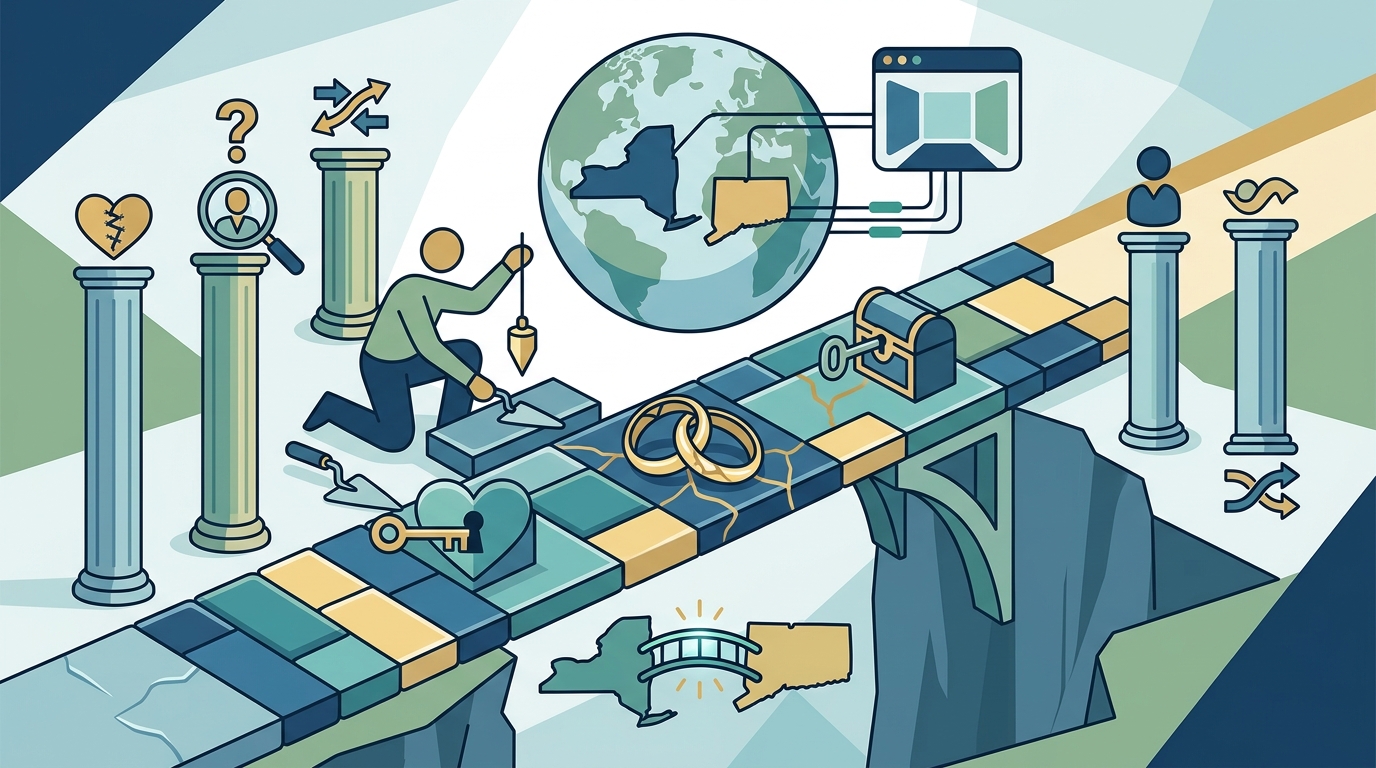
Rebuilding trust after infidelity is a complex journey that requires patience, transparency, and consistent effort from both partners. It is not a linear process, and setbacks are common. Understanding the typical stages of recovery can help couples manage their expectations and reduce frustration during the healing period.
Stage 1: The Acute Crisis
The initial phase is often characterized by intense emotional pain, anger, and confusion. The betrayed partner may experience shock or grief, while the unfaithful partner may feel guilt or shame. Therapy during this stage focuses on stabilization and creating a safe space for both individuals to express their feelings without judgment.
Stage 2: Transparency and Accountability
As the initial shock subsides, the focus shifts to rebuilding a foundation of honesty. This involves the unfaithful partner demonstrating accountability through consistent, transparent behavior. The therapist guides the couple in establishing boundaries and communication patterns that support safety and clarity.
Stage 3: Reconnection and Growth
In the later stages, couples work on re-establishing emotional and physical intimacy. The goal is to create a new relationship dynamic that is stronger and more resilient than the one that existed before the affair. This phase involves addressing underlying issues that may have contributed to the infidelity and developing new ways of connecting.
Choosing the Right Therapist
Selecting the right therapist is critical for successful affair recovery. Not all couples therapists specialize in infidelity, and finding a professional with specific experience in this area can make a significant difference in the outcome. It is important to look for a licensed marriage and family therapist who uses evidence-based methods tailored to your specific situation.
Qualifications to Look For
When choosing a therapist, verify their licensure and specific training in couples therapy. At RBM Marriage & Family Therapy, the team includes licensed marriage and family therapists who are trained in various evidence-based approaches. These professionals are equipped to handle the complex dynamics of betrayal and trust repair.
Insurance and Accessibility
Accessibility is a practical consideration for many couples. RBM Marriage & Family Therapy accepts most New York and Connecticut insurance plans, which can make specialized therapy more affordable. This financial accessibility ensures that cost does not become a barrier to seeking the help you need during a difficult time.
Evidence-Based Approaches to Affair Recovery
Effective infidelity therapy relies on proven clinical methods that address both the emotional and behavioral aspects of the relationship. Different approaches may be used depending on the specific needs of the couple and the nature of the affair. Understanding these methods can help you feel more confident in the therapeutic process.
| Approach | Focus Area | Key Benefit |
|---|---|---|
| Cognitive Behavioral Therapy (CBT) | Thought patterns and behaviors | Helps partners identify and change negative thought cycles that fuel conflict. |
| Emotion-Focused Therapy (EFT) | Underlying emotions and attachment | Builds secure attachment and empathy by addressing deep-seated fears and needs. |
| Gottman Method | Communication and conflict management | Provides practical tools for managing conflict and rebuilding emotional connection. |
Integrating Multiple Modalities
Therapists often integrate elements from different modalities to create a personalized treatment plan. For example, CBT might be used to address specific communication issues, while EFT is used to heal emotional wounds. This flexible approach ensures that the therapy addresses the unique dynamics of your relationship.
Key Takeaways
- Online infidelity therapy provides a secure, private environment for couples to process betrayal and rebuild trust.
- Trust rebuilding is a multi-stage process involving crisis stabilization, transparency, and reconnection.
- Choosing a therapist with specific experience in infidelity and trust repair is essential for successful outcomes.
- RBM Marriage & Family Therapy offers licensed, evidence-based care for couples in New York and Connecticut.
- The practice accepts most regional insurance plans, making specialized therapy more accessible.
- Evidence-based approaches like CBT, EFT, and the Gottman Method are effective tools for affair recovery.
- Telehealth allows couples to attend sessions from the comfort of their own homes, reducing logistical stress.
- Consistent effort and commitment from both partners are required for long-term relationship healing.
Frequently Asked Questions
Is online therapy effective for infidelity recovery?
How long does it take to rebuild trust after an affair?
The timeline for rebuilding trust varies for each couple. It can take several months to over a year, depending on the severity of the betrayal and the commitment of both partners. Therapy helps accelerate the process by providing structure and guidance.
Do both partners need to attend therapy?
While individual therapy can be helpful, couples therapy is generally recommended for infidelity recovery. It allows both partners to address the relationship dynamics directly and work together toward a shared goal, whether that is reconciliation or a healthy separation.
What insurance plans are accepted for online couples therapy?
RBM Marriage & Family Therapy accepts most New York and Connecticut insurance plans. It is advisable to contact the practice directly to verify your specific coverage and understand any out-of-pocket costs before starting treatment.
Can therapy help if I am not sure if I want to stay in the relationship?
Yes, therapy can help you explore your feelings and make informed decisions. A therapist can provide a neutral space to discuss your options and help you understand what you need from a relationship, regardless of the outcome.
How do I find a therapist who specializes in infidelity?
Look for licensed marriage and family therapists who list infidelity or affair recovery as a specialty. RBM Marriage & Family Therapy offers specialized support for couples dealing with trust issues and betrayal in New York and Connecticut.
Is online therapy confidential?
Yes, online therapy sessions are conducted through secure, encrypted video platforms that protect your privacy. Confidentiality is a core principle of therapeutic practice, and all information shared in session is protected by law.
Conclusion
Rebuilding trust after infidelity is a challenging but achievable goal with the right support. Online couples therapy provides a practical and effective way for partners in New York and Connecticut to navigate this journey. By working with a licensed professional who specializes in affair recovery, you can gain the tools and insights needed to heal and move forward. If you are ready to take the next step, contact RBM Marriage & Family Therapy to schedule a consultation and begin your path to recovery.