

Your first online therapy appointment is a structured, confidential video session where you and a licensed therapist discuss your goals, background, and current challenges. At RBM Marriage & Family Therapy, we provide secure virtual sessions for adults and couples in New York and Connecticut. This initial meeting focuses on building rapport and establishing a treatment plan, ensuring you feel comfortable and informed before moving forward with ongoing care.
Preparing for Your Virtual Session
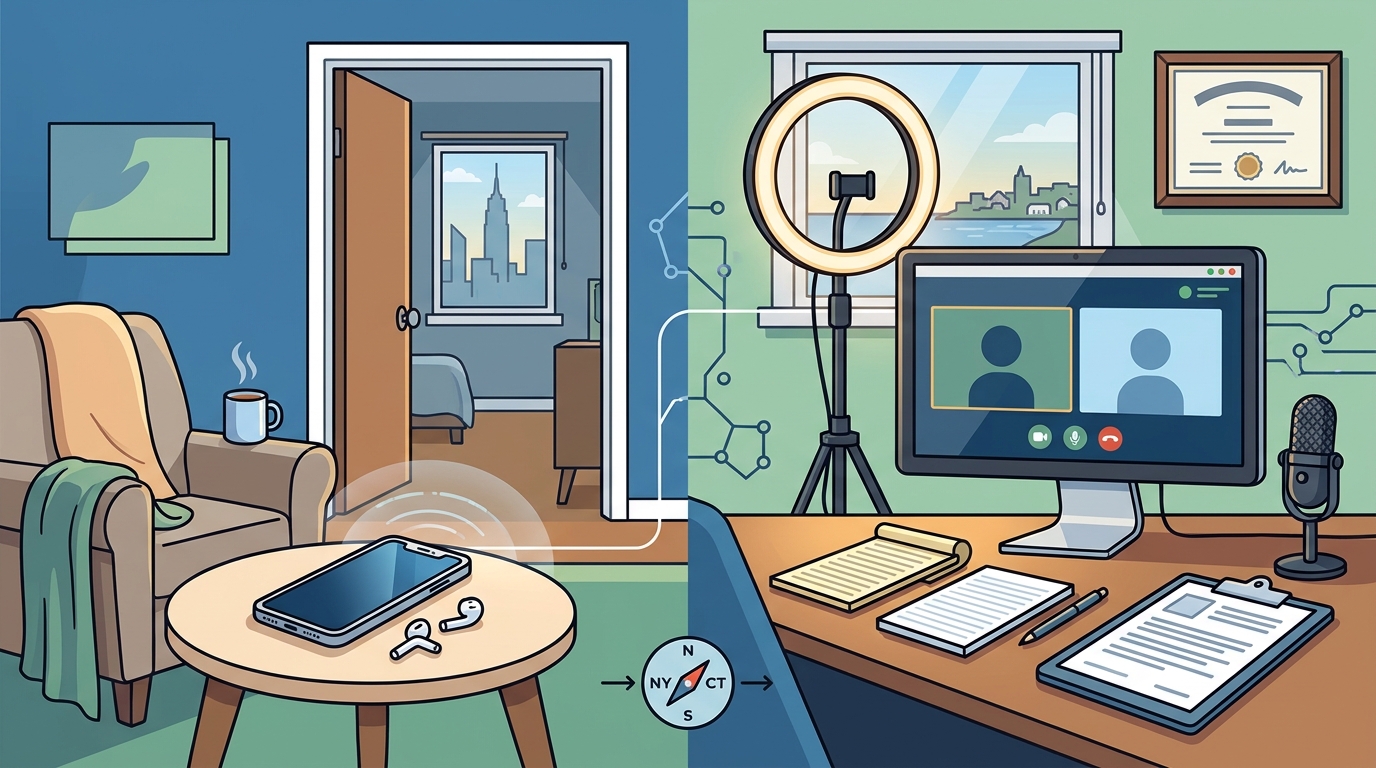
Preparation for an online appointment is similar to an in-person visit, with a few specific technical adjustments. You should find a private, quiet space where you will not be interrupted. A stable internet connection is essential for a smooth video experience. It is helpful to test your camera and microphone beforehand to ensure clear audio and video. Many clients find it useful to write down a few key points or questions they want to address during the session. This preparation helps make the most of the limited time and reduces anxiety about what to say.
The Intake Process and Initial Assessment
The first session, often called an intake, is primarily about gathering information. The therapist will ask about your history, current symptoms, and what brought you to seek help. Intake is the foundational step in therapy that allows the clinician to understand your unique context. You will likely complete some paperwork or questionnaires, either before or during the session. This process helps the therapist assess your needs and determine if they are the right fit for your specific concerns. It is a two-way street; you are also evaluating whether you feel safe and understood by the therapist.
Building Rapport in a Digital Space
Building a therapeutic alliance is critical for successful outcomes, and this process begins in the first session. While the medium is digital, the human connection remains the core of the work. Therapists are trained to create a safe, non-judgmental environment, even through a screen. You may notice the therapist paying close attention to your tone, facial expressions, and body language. It is normal to feel some initial awkwardness or hesitation. Over time, this comfort level typically grows. The goal is to establish a relationship where you feel heard and supported, which is the foundation for all subsequent therapeutic work.
Logistics, Insurance, and Confidentiality
Understanding the practical aspects of online therapy is important for reducing stress. Confidentiality is maintained through secure, HIPAA-compliant video platforms. Your therapist will explain how your information is protected and stored. You should also clarify insurance coverage and billing details during this first meeting. At RBM Marriage & Family Therapy, we accept many major insurance plans in New York and Connecticut. It is wise to contact your insurance provider directly to confirm your specific benefits, deductibles, and copays before your first session. Clarifying these logistics upfront allows you to focus on the therapeutic process rather than administrative concerns.
Setting Goals and Creating a Treatment Plan
Toward the end of the first appointment, you and your therapist will begin to outline a treatment plan. This involves identifying specific, achievable goals for your therapy. For example, if you are struggling with anxiety, a goal might be to reduce the frequency of panic attacks or improve sleep quality. If you are in couples therapy, a goal might be to improve communication during conflicts. This plan is not set in stone; it is a living document that can be adjusted as you progress. Having clear goals provides direction and helps you measure progress over time. It transforms the therapy from a vague conversation into a structured process with a defined purpose.
Key Takeaways
- The first session is an intake focused on history, goals, and establishing rapport.
- Prepare a private, quiet space with a stable internet connection for your video call.
- Confidentiality is protected through secure, HIPAA-compliant telehealth platforms.
- Clarify insurance coverage and billing details during the initial meeting.
- A treatment plan with specific goals is developed to guide your ongoing therapy.
- It is normal to feel some initial awkwardness; comfort builds over time.
- You are also evaluating the therapist to ensure they are the right fit for your needs.
Frequently Asked Questions
Is online therapy as effective as in-person therapy?
Research suggests that online therapy can be effective for many people, particularly for issues like anxiety, depression, and relationship stress. The effectiveness depends on the individual, the specific issue, and the quality of the therapeutic relationship. It is not identical to in-person therapy, but it offers a convenient and accessible alternative for many clients.
What if I feel awkward talking to a therapist on video?
It is very common to feel some initial awkwardness or self-consciousness when starting therapy, especially online. Therapists are trained to help you feel comfortable and will guide the conversation. This feeling usually diminishes as you build trust and rapport over subsequent sessions.
Do I need to be in the same state as my therapist?
Yes, due to licensing laws, you must be physically located in the state where your therapist is licensed to practice at the time of the session. For example, if your therapist is licensed in New York, you must be in New York when you connect. RBM Marriage & Family Therapy serves clients located in New York and Connecticut.
How long is a typical first online therapy appointment?
Most initial intake appointments last between 50 and 60 minutes. This allows enough time to cover your history, discuss your goals, and address any immediate questions or concerns. Some practices may schedule slightly longer initial sessions to accommodate paperwork.
What should I do if my internet connection drops during a session?
If your connection drops, your therapist will typically try to call you back or reschedule the session. It is a good idea to have a backup plan, such as a mobile hotspot, in case your primary internet connection fails. Most secure telehealth platforms have features to help reconnect quickly.
Can I use my phone for online therapy sessions?
While it is technically possible to use a phone, a laptop or desktop computer is generally recommended for a better experience. A larger screen and a more stable connection can make it easier to see and hear your therapist clearly. However, if a phone is your only option, it can still work effectively.
Next Steps for Your Online Therapy Journey
Starting therapy is a significant step toward improving your well-being. The first online appointment is designed to be a low-pressure introduction to the process. It allows you to ask questions, clarify logistics, and begin to build a relationship with your therapist. If you are considering online therapy in New York or Connecticut, to schedule a consultation. We are here to support you with practical, compassionate care tailored to your specific needs. Learn more: Contact Us RBM Marriage.