

EMDR therapy for trauma involves bilateral stimulation to help the brain process distressing memories. In online sessions, therapists guide clients through eye movements or tapping to reduce the emotional intensity of past events. This approach allows adults in New York and Connecticut to access specialized trauma care from home.
The Core Mechanism of EMDR
Eye Movement Desensitization and Reprocessing (EMDR) is a structured psychotherapy approach designed to help individuals process traumatic memories. The core mechanism relies on bilateral stimulation, which involves alternating focus between the left and right sides of the body or visual field. This process mimics the natural brain activity that occurs during REM sleep, a phase critical for memory consolidation and emotional regulation.
During a session, the client holds a traumatic memory in mind while following a therapist's finger, a light, or tapping sounds. This dual attention task helps the brain reprocess the memory, moving it from a state of emotional distress to a neutral, integrated state. The goal is not to erase the memory, but to reduce the painful emotions and physical sensations associated with it.
Adapting EMDR for Telehealth
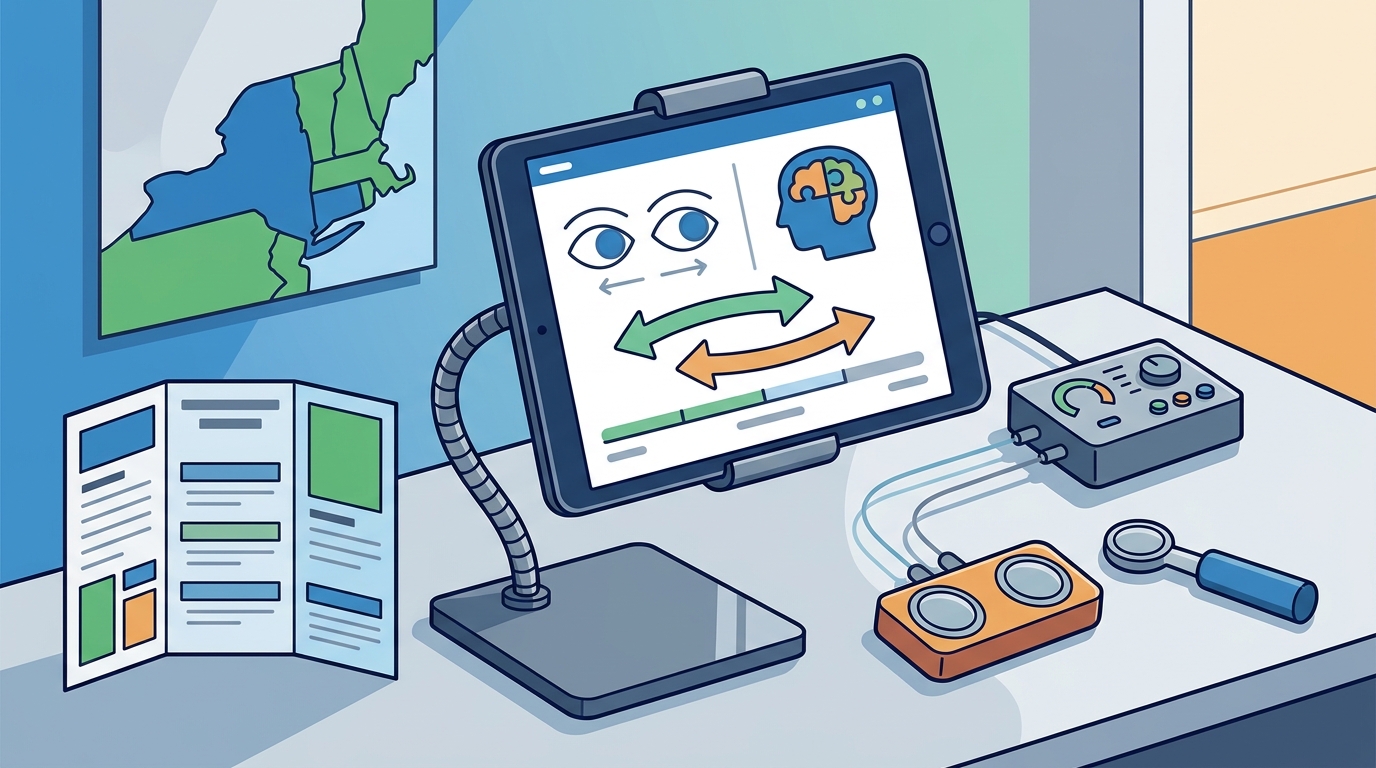
Conducting EMDR through online sessions requires specific adaptations to ensure the bilateral stimulation is effective. Therapists use digital tools to guide the client's eye movements, such as a moving light on the screen or alternating audio tones. These methods provide the same neurological benefits as in-person finger tracking, ensuring the brain receives the necessary stimulation to process trauma.
For clients who prefer tactile stimulation, therapists may guide them to tap their own hands or knees in an alternating pattern. This self-administered bilateral stimulation is often used when visual tracking is difficult or when the client feels more grounded with physical movement. The key is maintaining a steady rhythm that allows the brain to engage in the reprocessing phase without becoming overwhelmed.
The Eight-Phase Treatment Model
EMDR therapy follows a standardized eight-phase model that ensures a safe and thorough treatment process. The first two phases involve history taking and preparation, where the therapist builds trust and teaches the client coping skills to manage distress. This foundation is crucial for online therapy, as it helps clients feel secure in the virtual environment before diving into trauma work.
Phases three through six focus on assessment, desensitization, installation, and body scan. The therapist identifies the specific memory to target and uses bilateral stimulation to reduce its emotional charge. The client then installs a positive belief about themselves and checks for any residual physical tension. The final two phases involve re-evaluation and future templating, ensuring the trauma does not resurface and the client can envision a healthier future.
Benefits of Online Trauma Therapy
Online EMDR offers significant advantages for adults dealing with trauma, particularly those in busy urban areas like New York or Connecticut. Accessing therapy from home eliminates travel stress, which can be a major barrier for individuals with anxiety or PTSD. The familiar environment of one's own home can also provide a sense of safety and control, which is essential for trauma recovery.
Additionally, online sessions allow for greater flexibility in scheduling, making it easier for clients to maintain consistent therapy. This consistency is vital for the success of EMDR, as regular sessions help the brain gradually process and integrate traumatic memories. At RBM Marriage & Family Therapy, we provide secure, confidential online sessions that ensure clients can access high-quality trauma care without logistical hurdles.
Key Takeaways
- Online EMDR adapts traditional techniques using digital lights or audio tones.
- The eight-phase model ensures a safe, structured approach to trauma treatment.
- Online therapy offers the comfort and convenience of receiving care at home.
- Consistent sessions are crucial for the long-term success of EMDR.
- Therapists at RBM Marriage & Family Therapy are trained in evidence-based trauma care.
Frequently Asked Questions
Is online EMDR as effective as in-person EMDR?
Research suggests that online EMDR can be just as effective as in-person sessions when conducted by a trained therapist. The key is the quality of the therapeutic relationship and the proper use of bilateral stimulation tools. according to Online counseling Wikipedia
What should I expect during my first online EMDR session?
The first session is typically focused on history taking and preparation. The therapist will discuss your goals, assess your readiness for trauma work, and teach you coping strategies to manage any distress that may arise.
Do I need special equipment for online EMDR?
No, you only need a stable internet connection and a device with a camera and microphone. The therapist will guide you through the process, and no special software or hardware is required.
How many sessions does EMDR therapy usually take?
The number of sessions varies depending on the complexity of the trauma and the individual's response to treatment. Some clients see significant improvement in a few sessions, while others may require more time.
Can EMDR help with anxiety and depression related to trauma?
Yes, EMDR is effective for treating the anxiety, depression, and other emotional symptoms that often accompany trauma. By processing the underlying traumatic memories, clients often experience relief from these secondary symptoms.
How can I find a qualified EMDR therapist in Connecticut?
You can search for licensed therapists who specialize in EMDR and offer online services. RBM Marriage & Family Therapy provides online trauma therapy for adults in New York and Connecticut, ensuring you have access to qualified care.