
7 Red Flags to Watch for When Checking a Therapist's Real Credentials Online
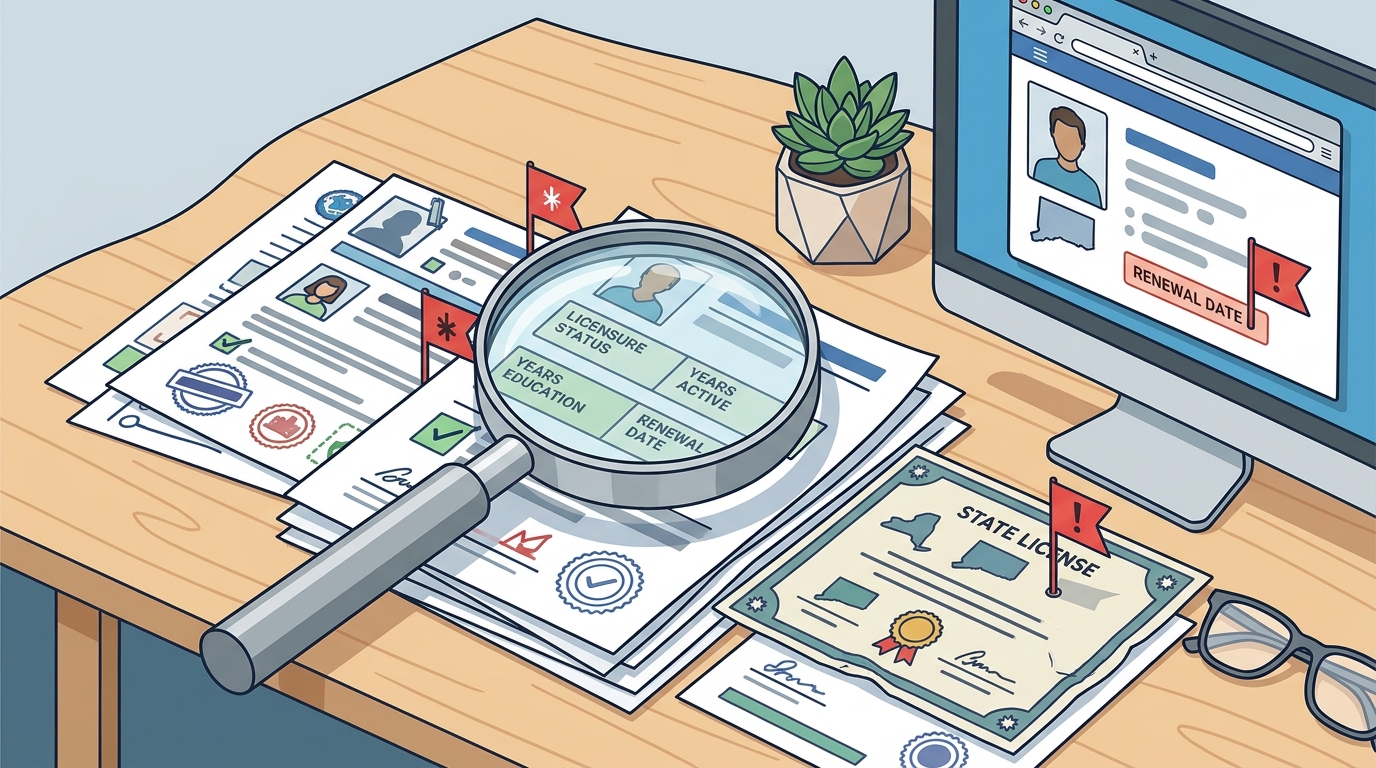
Verifying a therapist's credentials is a critical first step in ensuring your safety and the quality of care you receive. Many online directories and personal websites contain outdated or inaccurate information that can mislead clients. By knowing what to look for, you can distinguish between legitimate licensed professionals and those who may be operating without proper authorization. This guide helps you identify the specific warning signs that indicate a credential claim may be false or incomplete.
1. Missing State License Number
A legitimate licensed therapist will always display their active license number prominently on their website or profile. In the United States, mental health professionals are regulated by state boards, and their license numbers are public record. If a provider's website lists their name and degree but omits the specific license number, this is a significant red flag. You should be able to find this number on their homepage, about page, or a dedicated credentials section.
2. Vague or Non-Standard Titles
Be wary of providers who use ambiguous titles like 'Life Coach,' 'Wellness Consultant,' or 'Mental Health Specialist' without a clear license designation. While some of these roles are legitimate, they do not carry the same legal authority as a Licensed Marriage and Family Therapist (LMFT) or Licensed Clinical Social Worker (LCSW). A true clinician will clearly state their specific license type, such as LMFT, LCSW, or PsyD, alongside their name. Vague titles often indicate that the individual is not licensed to provide clinical therapy.
3. Inability to Verify via State Board
If you cannot find the provider in the official state licensing board database, their credentials are not valid in that state. Every state has a public search tool where you can enter a name or license number to verify active status. If the name does not appear, or if the status is listed as 'inactive,' 'expired,' or 'under investigation,' you should not proceed with treatment. This step is non-negotiable for ensuring the provider is legally permitted to practice in your location.
4. Confusing Education with Licensure
Holding a master's or doctoral degree does not automatically mean a person is licensed to practice therapy. Many individuals complete graduate programs in psychology or counseling but never obtain the required state license. A red flag occurs when a provider emphasizes their university affiliation or degree but fails to mention their active state license. Education is a prerequisite for licensure, but it is not a substitute for the legal authorization to diagnose and treat mental health conditions.
5. Lack of Transparency on Fees and Insurance
Legitimate practices are transparent about their billing practices, insurance acceptance, and out-of-pocket costs. If a provider is evasive about fees or refuses to provide a clear breakdown of costs before your first session, this may indicate irregular billing practices. At RBM Marriage & Family Therapy, we clearly list the insurance plans we accept and provide information on self-pay options. Transparency in financial matters is a hallmark of a professional and ethical practice.
6. Pressure to Bypass Standard Intake
7. Unverifiable Specializations
Claims of specialized training in niche areas should be backed by verifiable certifications or continuing education records. While many therapists have interests in specific populations or issues, not all have formal training in those areas. If a provider claims expertise in a complex field like trauma or addiction but cannot provide evidence of specific training or certification, proceed with caution. You can often verify these credentials through professional associations or by asking the provider directly for details on their training history.
Choosing the Right Provider
When evaluating a therapist, prioritize those who are transparent, verifiable, and clear about their legal standing. If you have any doubts about a provider's credentials, it is better to choose another professional. At RBM Marriage & Family Therapy, our team is committed to maintaining high standards of licensure and transparency to ensure you receive safe and effective care.
Frequently Asked Questions
What is the difference between a licensed therapist and a certified coach?
A licensed therapist is legally authorized by a state board to diagnose and treat mental health conditions, while a certified coach typically focuses on goal-setting and personal development without clinical authority. Only licensed professionals can provide clinical therapy.
How do I verify a therapist's license in New York?
You can verify a therapist's license in New York by searching the Office of the Professions database. Enter the provider's name or license number to confirm their active status and any disciplinary actions.
Is it a red flag if a therapist does not list their license number?
Yes, it is a significant red flag. Licensed professionals are required to display their license numbers, and their absence suggests the individual may not be properly licensed or is operating outside standard ethical guidelines.
Can I trust a therapist who only lists their degree?
No, a degree alone does not confirm licensure. You must verify that the individual holds an active state license in addition to their educational credentials to ensure they are legally permitted to practice.
What should I do if I find a license is expired?
If a license is expired, the provider is not currently authorized to practice. You should not proceed with treatment and should seek a different provider with an active license.