
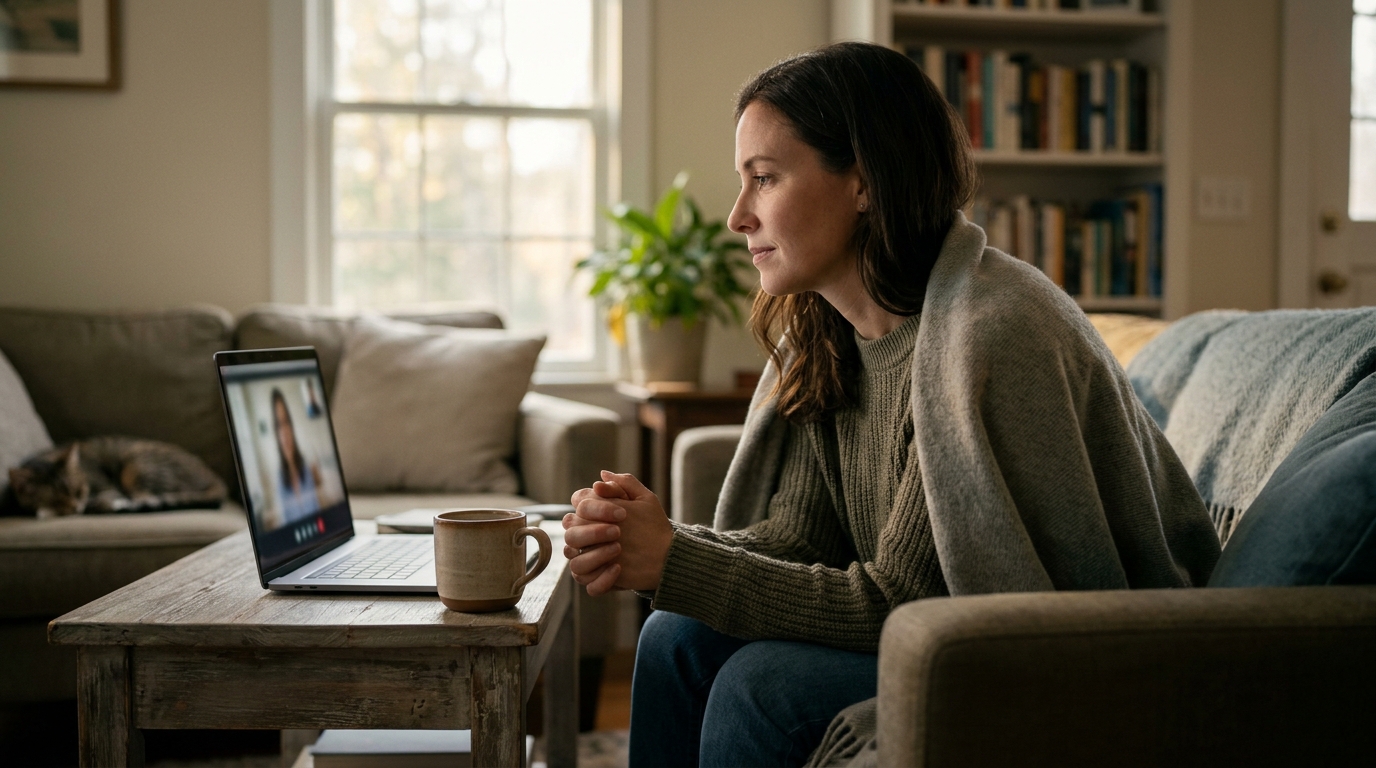
Online trauma therapy is a structured, evidence-based approach to processing difficult life experiences through secure video sessions. It allows individuals to work through emotional pain, hypervigilance, and distress from the safety of their home. This method supports clients in New York and Connecticut who need flexible, private care. It is distinct from in-person therapy, offering unique logistical and emotional benefits for remote treatment. according to The Role of
Understanding Virtual Trauma Care
Trauma therapy is a specialized form of counseling designed to help individuals process and recover from distressing events. In a virtual setting, this work occurs through secure, encrypted video platforms. The core goal remains the same as in-person care: to reduce the emotional and physical impact of past experiences. However, the delivery method changes the dynamic of the therapeutic relationship.
Many clients find that being in a familiar environment helps them feel safer during difficult conversations. This sense of control can be crucial when discussing sensitive topics. The therapist guides the process, ensuring that the client is not overwhelmed. This approach is particularly useful for those who may struggle with the commute or the formality of a clinical office.
Evidence-Based Approaches in Telehealth
Research supports the effectiveness of various trauma-focused therapies when delivered online. Cognitive Behavioral Therapy (CBT) is a widely used method that helps clients identify and change negative thought patterns. It is highly structured and works well in a remote format. Another common approach is Emotionally Focused Therapy (EFT), which focuses on the emotional connection between partners or within the self. according to The effectiveness efficiency
Internal Family Systems (IFS) is another model that helps clients understand different parts of their psyche. This approach can be deeply personal and benefits from the privacy of a home setting. The key is that the therapist is trained in these specific modalities. At RBM Marriage & Family Therapy, our team utilizes these evidence-based frameworks to tailor treatment to your specific needs. We do not use one-size-fits-all methods; instead, we select the approach that best fits your history and goals.
Practical Considerations for Online Sessions
Before starting online therapy, it is important to consider your technical setup. You will need a stable internet connection and a private space where you will not be interrupted. This privacy is essential for building trust and allowing you to open up. If you live in a shared space, you may need to find a quiet room or use headphones to maintain confidentiality.
It is also helpful to discuss your comfort level with video calls before the first session. Some clients prefer to keep the camera on, while others may feel more at ease with it off. Your therapist should respect your boundaries. Additionally, be aware that online therapy is not the same as in-person therapy. It lacks the physical presence of the therapist, which can affect how some people experience the connection. However, for many, the convenience and privacy outweigh this difference.
Choosing the Right Therapist
When selecting a therapist for trauma work, look for specific training and experience. Not all therapists are trained in trauma-focused modalities. You want a professional who understands the unique challenges of processing difficult memories. In New York and Connecticut, many licensed marriage and family therapists offer these services online. It is important to verify their credentials and the specific techniques they use.
At RBM Marriage & Family Therapy, we provide online support for adults coping with the emotional impact of trauma. Our therapists are licensed and experienced in working with a range of issues, including anxiety, grief, and relationship stress. We offer a consultation to help you determine if we are the right fit. This initial step allows you to ask questions about our approach and feel comfortable with the process. You can to schedule this conversation.
Key Takeaways
- Online trauma therapy is a valid and effective way to process difficult experiences from home.
- It is distinct from in-person therapy, offering unique benefits regarding privacy and convenience.
- Evidence-based approaches like CBT and EFT are commonly used in virtual settings.
- Technical preparation, such as a stable internet connection and private space, is important.
- Choosing a therapist with specific trauma training is crucial for effective treatment.
- RBM Marriage & Family Therapy offers licensed, online support for adults in NY and CT.
Frequently Asked Questions
Is online trauma therapy as effective as in-person therapy?
Research suggests that online therapy can be just as effective as in-person therapy for many conditions, including trauma. The key is the quality of the therapeutic relationship and the use of evidence-based techniques. However, it is a different modality and may not suit everyone's preferences. according to What is EMDR
What should I expect in my first online trauma session?
The first session is usually an intake or consultation. The therapist will ask about your history, goals, and current challenges. This is a time to ask questions about their approach and to assess if you feel comfortable with them. It is not typically a time for deep processing of trauma.
Do I need special equipment for online therapy?
You need a device with a camera and microphone, such as a laptop, tablet, or smartphone. A stable internet connection is also important. You do not need any special software, as most therapists use secure, HIPAA-compliant video platforms.
How do I ensure my privacy during online sessions?
Choose a private room where you will not be interrupted. Use headphones if you are in a shared space. The therapist will use a secure, encrypted platform to protect your data. You should also ensure that your device is up to date and secure.
Can I switch to in-person therapy if I start online?
Yes, it is possible to switch to in-person therapy if you live in the same area as your therapist. However, many therapists who offer online therapy do not have a physical office. It is best to discuss this possibility during your initial consultation.
What if I feel overwhelmed during an online session?
Your therapist is trained to help you manage distress. You can ask to pause the session or take a break. It is important to communicate your limits to your therapist. They will work with you to ensure that the pace is manageable and safe.